
THE APEX TIMES
The first baseman is running, throwing and hitting off a tee, according to manager Will Venable, but the team is still not offering a return timeline.
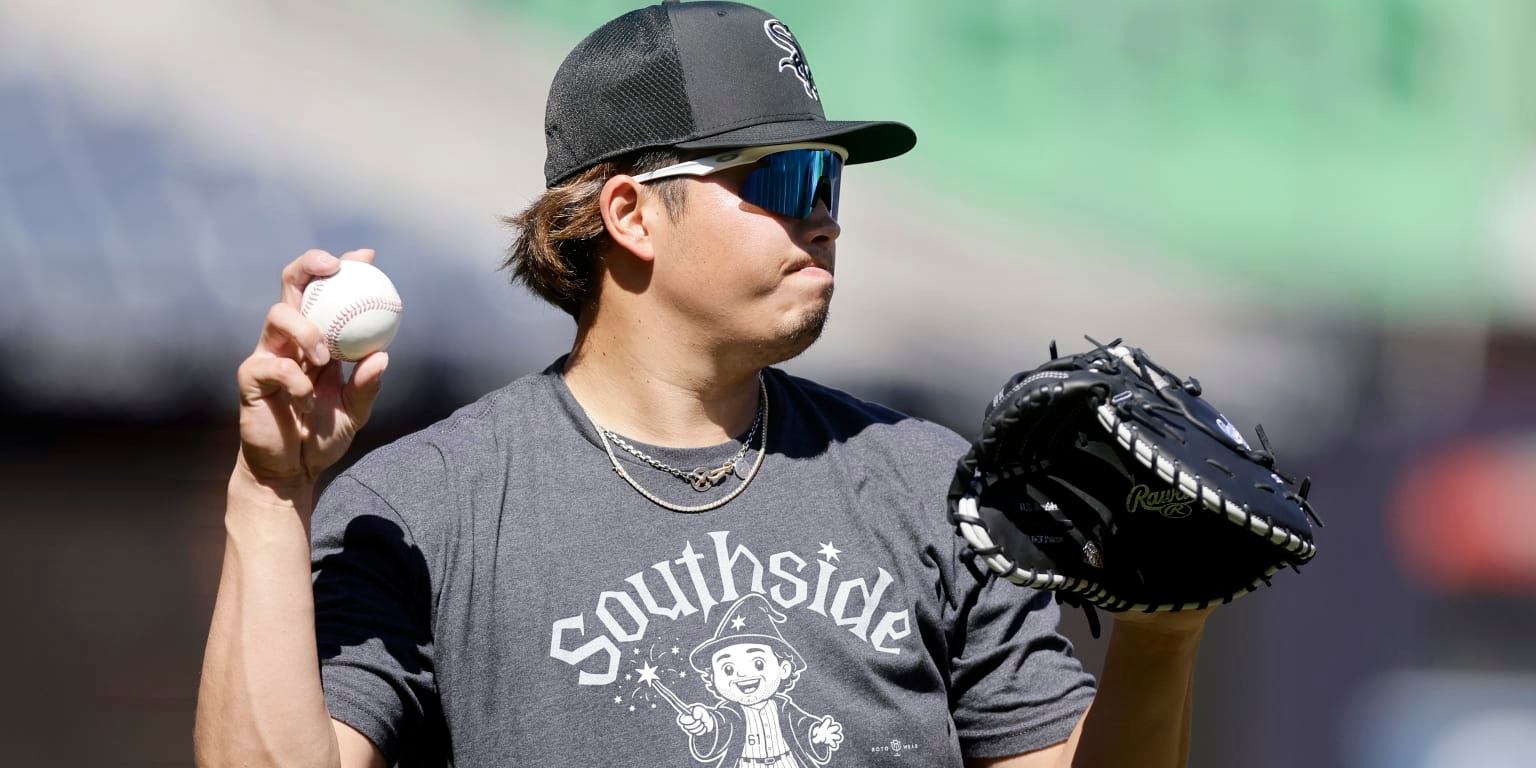
Chicago’s Munetaka Murakami has begun baseball activities as he works his way back from a right hamstring strain, an update the White Sox delivered as the club continues to weigh how to restore a key right-handed bat to full workload. Manager Will Venable said Murakami has progressed to the point where he is doing structured baseball work, including running, throwing, and hitting off a tee. The organization is emphasizing development steps rather than committing to a date on the calendar.
The hamstring injury dates to May 29 against the Detroit Tigers, when Murakami suffered the strain and subsequently moved into the recovery phase. Since then, his availability has been limited, forcing the White Sox to handle lineup and at-bat planning without one of their central pieces at first base. Baseball teams typically treat hamstring issues with caution because the injury can linger and is sensitive to changes in sprinting, cutting and batting mechanics.
Venable’s comments framed the current stage as “increasing the exposure,” a phrase that suggests the club intends to gradually widen the kinds of baseball movements Murakami can perform without pushing too quickly. Off a tee work is commonly used in rehab settings because it allows a player to swing through the ball repeatedly while managing lower-body stress and assessing how the hamstring responds during contact and follow-through.
While Murakami’s ability to run, throw and hit off a tee is a meaningful step compared with earlier rehabilitation stages, the White Sox still are not prepared to project a return. That restraint matters because even when a player can perform baseball activities, game readiness depends on factors beyond those drills, including sustained intensity, comfort during tracking and footwork, and the ability to sprint at full speed without protection.
For Chicago, the near-term focus is not only on whether Murakami can resume batting, but also on how the team integrates him once he is cleared. First basemen often cover significant ground in foul territory and require quick bursts for plays, and hamstring injuries can affect the speed and angles needed for defensive work. The transition from controlled tee work to live batting and then game-level running is usually where rehab timetables can change.
Murakami’s return also carries lineup consequences. As a right-handed hitter whose value includes both power potential and the ability to drive line drives with intent, his presence affects how managers can shape the rest of the lineup around him. Until he is ready to play, the White Sox likely will continue distributing at-bats and responsibilities among the players available, keeping matchups and defensive assignments in mind.
The next checkpoints to watch are internal rather than public: whether Murakami advances from tee work to more extensive hitting progressions, and when the team begins to discuss a path toward live action. Even with encouraging rehab signs, the White Sox’s decision to keep a timeline vague underscores how cautious they are about hamstring recovery and workload management.
For now, the most concrete update is that Murakami has crossed into baseball activities, a stage that indicates progress but not readiness. The injury’s date and the lack of a stated return timeline make clear that the White Sox’s immediate priority is health first, with the goal of getting Murakami back for full, sustainable contributions rather than a premature return.