
THE APEX TIMES
Why does Chris Chambliss’ 1976 ALCS walk-off still send goosebumps?
In the bottom of the ninth of the deciding Game 5, the Yankees cleanup hitter turned a cold, delayed moment into a pennant-clinching home run. Fifty years later, he still remembers the fear, the fastball, and the stampede that followed.
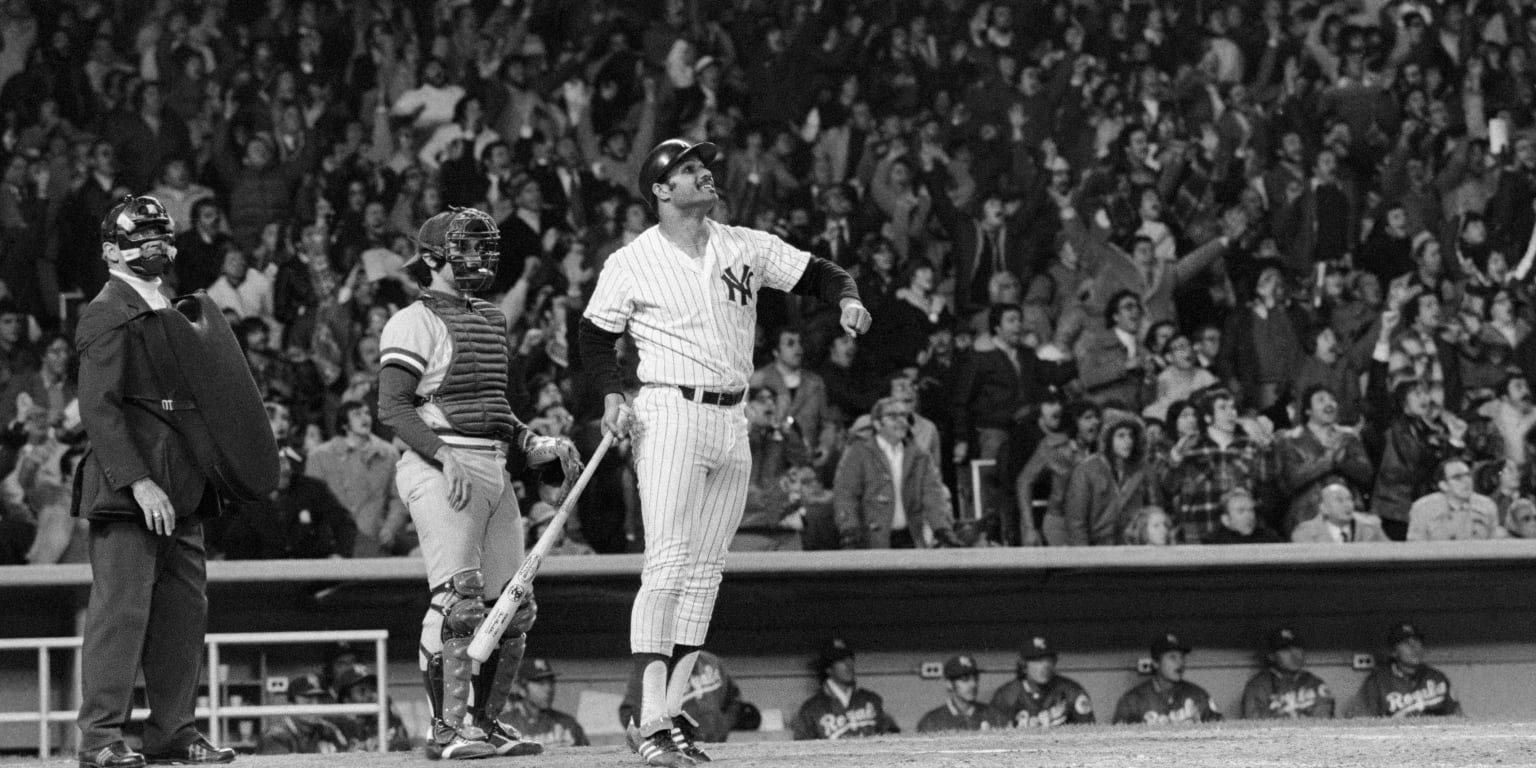
Chris Chambliss’ pennant-clinching swing in the 1976 American League Championship Series is remembered because it fused timing, pressure, and chaos into one decisive at-bat. In the fifth and final game against the Kansas City Royals, he led off the bottom of the ninth with the score tied 6-6, facing Royals right-hander Mark Littell.
The moment was stretched by more than game tension. The Yankees Stadium crowd’s debris-caused delay gave both hitters extra time to think while the stadium stayed on edge, with Chambliss later saying the cold made him just stand waiting until play could resume.
When the delay ended, Chambliss said he was looking for the first pitch he expected, and he got a high fastball. He hit it over the right-field wall to complete a walk-off home run and clinch the Yankees’ 30th AL pennant and first since 1964.
The aftermath is part of why it still sticks. Fans flooded the field immediately while Chambliss was still rounding the bases, and the scene turned into a crowd surge that forced a scramble for space. Chambliss described the physical reality of touching bases in a mass of people, then changing his focus to getting to safety rather than trying to finish the run cleanly.
Fifty years later, Chambliss also frames his at-bat with context about his own role with New York. He had arrived from Cleveland in 1974, overcame a stretch where the Yankees experimented with possible platooning, and then seized a full-time opportunity, with Billy Martin later keeping him in a consistent spot in the lineup.
The Yankees’ 1976 run ended the long wait for postseason baseball and set up another collision with the Royals, but the story of the pennant is concentrated in that ninth-inning pitch. Chambliss’ recollections make the key point plain: in the biggest moment of a tied Game 5, the plan came together, and the crowd’s energy turned the end of the game into something unforgettable.
Why It Matters
- It illustrates how baseball’s postseason outcomes can hinge on one first pitch, especially when a tied game tightens every decision.
- The walk-off home run finished a long postseason drought, giving the 1976 Yankees a return to the title picture after years of missing the postseason.
- Chambliss’ own framing of 1975 role uncertainty adds a roster-building angle: a player’s opportunity can become decisive when it converges with the right lineup moment.
- The described field-storm reaction is a reminder that postseason pressure also amplifies fan behavior, reshaping the end-of-game experience in real time.
Key Facts
- Chris Chambliss led off the bottom of the ninth in Game 5 of the 1976 ALCS with the Yankees and Royals tied 6-6, against Mark Littell.
- A crowd debris incident forced a game delay at Yankee Stadium before Chambliss came to bat in that decisive inning.
- Chambliss said he expected a first-pitch fastball and hit a high pitch over the right-field wall for a walk-off home run.
- The home run clinched the Yankees’ 30th AL pennant and their first since 1964.
- Chambliss later recalled that the crowd storm that followed immediately changed the priorities from completing the run to getting through the chaos safely.