
THE APEX TIMES
Will Venable’s “what if” in basketball, as he leads the White Sox deep into October
A story of a two-sport path, where the career branch that led to managing in the MLB postseason also carries an unresolved basketball subplot: the NCAA Final Four that might have been.
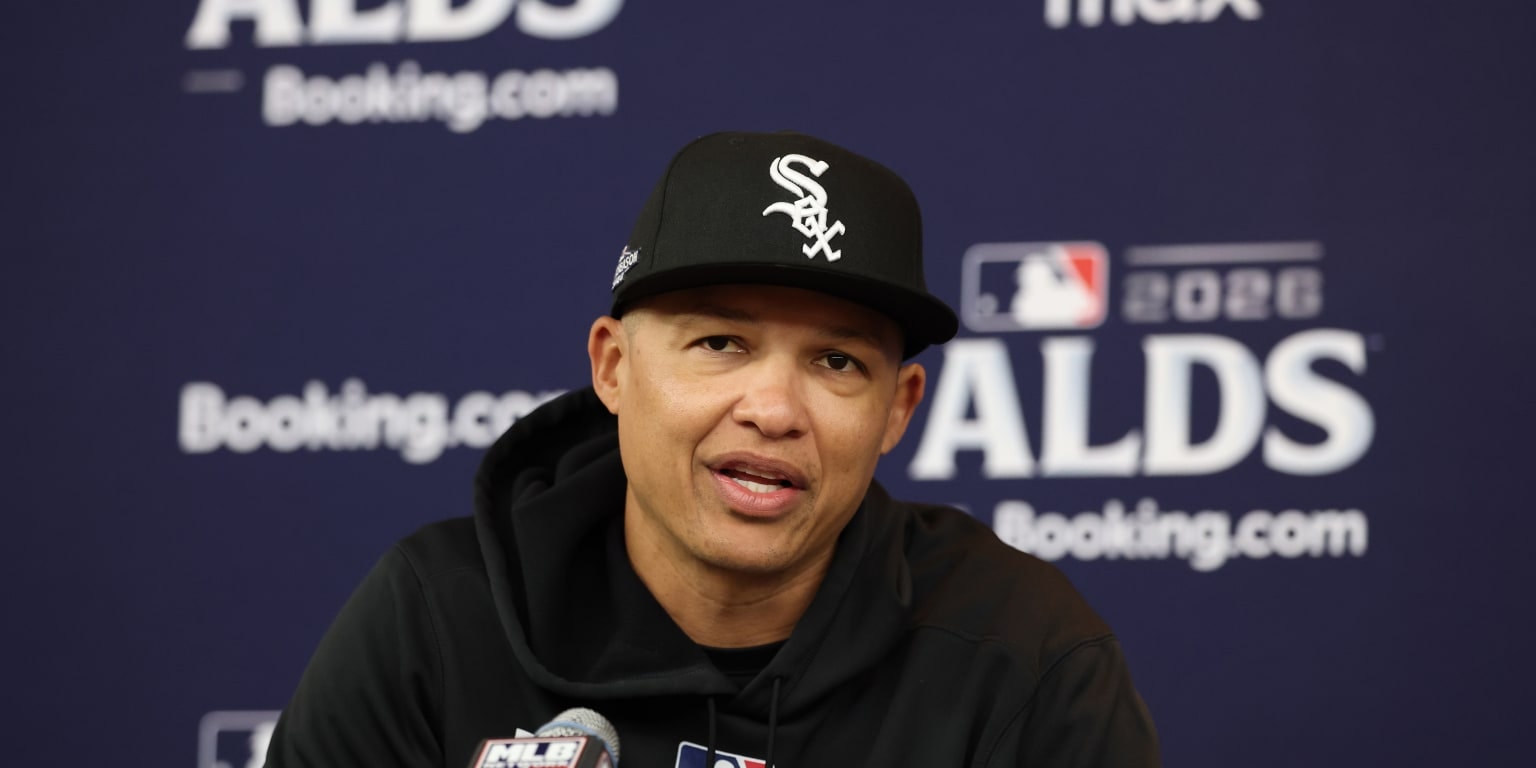
In October with the MLB postseason underway, Will Venable is operating far from the basketball court, managing a White Sox team that has drawn attention for how much it has stayed in the conversation late in the season. But the background to his current role includes a different scoreboard entirely. According to MLB’s profile, Venable’s early athletic life included basketball aspirations at a competitive level, and he has reflected on the way his path could have unfolded if it had gone the way he wanted from the start.
The central idea in the MLB piece is not just that Venable is a baseball manager now, but that he has been shaped by the discipline and demands of two sports. The article frames his career like a fork in the road, with basketball representing a route toward the NCAA Final Four and baseball representing the route that, instead, led to the dugout and the postseason. That contrast, “final foursome” versus “Final Four,” is the organizing theme, but it also points to something practical: the transferable habits two-sport athletes build when they split time and attention across seasons and skill sets.
Venable’s story matters in part because two-sport trajectories are increasingly rare at the highest levels of both college basketball and professional baseball. Once athletes narrow their focus, the window to develop a broad base of athletic instincts often closes. MLB’s account underscores that Venable did not grow up with a single-track identity, and that his basketball foundation became part of what he carried into baseball. For fans, the appeal is obvious. For teams, the appeal is functional: agility, spatial awareness, and hand-eye coordination are all skills that show up differently across sports, and players who learn them through multiple sports can sometimes adapt more quickly when the game changes.
The MLB profile also places Venable’s current moment in October as the context for looking backward. It’s not a retirement story or a nostalgia piece. The framing is that the closer you get to baseball’s biggest stages, the more you recognize how the earlier branches still influence the way you prepare, communicate, and respond to pressure. In a season where teams are judged by late results, the article suggests that Venable’s willingness to travel an unusual route is part of what shaped him into the manager he is today.
At the same time, it is important to keep the “basketball alternate ending” in perspective. The NCAA route is not a simple line from a single athlete’s talent. It depends on program context, timing, health, roster construction, and a series of game-by-game outcomes that never belong to one person. MLB’s story uses basketball as a lens, not as a claim that a particular tournament run was guaranteed. The takeaway is about how close the possibilities felt at the time and how those possibilities still live in the manager’s perspective.
Looking ahead, Venable’s dual-sport background is likely to remain part of the way he approaches the White Sox’s postseason responsibilities, even if the details of how he translates basketball-derived thinking to baseball show up indirectly. The next thing to watch is not whether the NCAA Final Four returns to the narrative, but whether the qualities that come from balancing sports early continue to show up in October decision-making, roster usage, and preparation habits as the White Sox move through the postseason.
For college basketball followers, the bigger “watch next” is how the baseball-to-basketball imagination can still matter even when a player’s career lands elsewhere. Venable’s story is a reminder that the college game is not only about who reaches March the fastest. It is also about who can carry lessons from other sports into the grind of pressure basketball, then later into whatever arena comes next.
Why It Matters
- Two-sport development is an increasingly uncommon route to elite leadership roles, making Venable’s path notable for roster and player development conversations.
- The “Final Four versus postseason” contrast adds a human dimension to October baseball storylines, connecting elite competition across leagues.
- Venable’s background suggests a preparedness style shaped by varied athletic demands, a theme teams often value when pressure and adjustments matter most.
- For college basketball fans, the story broadens how they think about athletes, reminding that early paths can branch in unexpected directions.
Key Facts
- MLB highlighted Will Venable’s two-sport background and the way basketball aspirations intersected with his baseball path.
- The story contrasts the NCAA Final Four as an imagined outcome with Venable’s current position managing the White Sox in the 2026 MLB postseason.
- MLB’s profile frames Venable’s athletic journey as a fork in the road, with basketball representing an alternate branch that did not become the endpoint.
- The piece positions Venable’s postseason work in baseball as the present-day context for reflecting on earlier basketball possibilities.