
THE APEX TIMES
Wisconsin enters 2026-27 with postseason pressure, still searching for the “damage” stretch in March
After years of being in position to reach the NCAA Tournament, the Badgers are pushing for a deeper run in Greg Gard’s latest season at the helm.
Wisconsin’s 2026-27 season preview is less about what the Badgers want to do in November and December and more about what they have not yet fully done when the calendar flips to March. The central theme: the program has consistently found a path to the NCAA Tournament, but it has not consistently translated that opportunity into real postseason impact, the kind that changes perceptions and completes a season’s work.
The frustration, as framed by this season preview, is not a lack of structure or leadership. Greg Gard has guided Wisconsin for more than a decade, and the program has remained competitive in the Big Ten during that span. Wisconsin has won a pair of Big Ten titles under Gard, demonstrating the team can build enough to contend in the league’s regular-season grind.
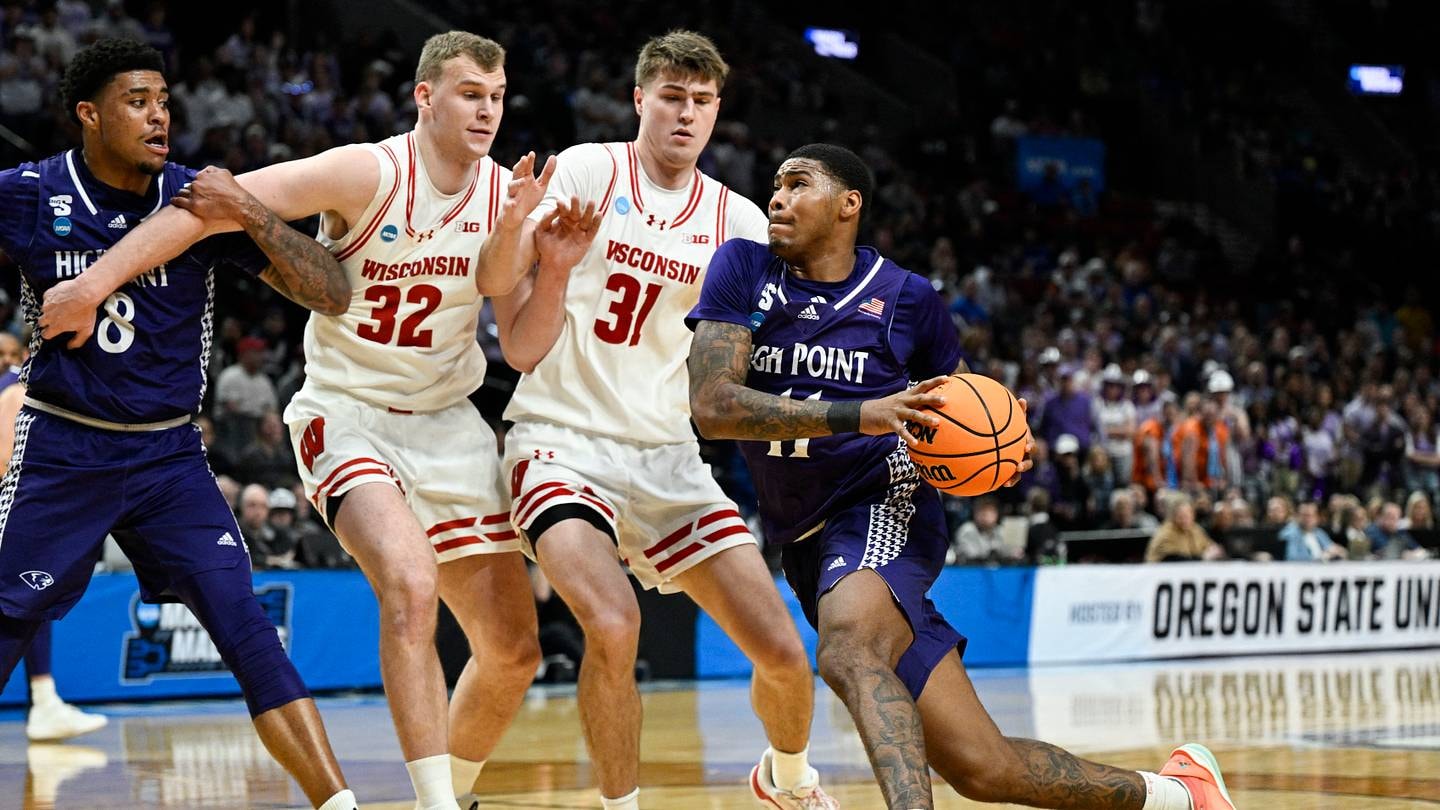
What has tested the Badgers is the bridge between qualification and advancement. The preview points to last season’s NCAA Tournament ending as an example of the problem, describing an upset loss that cut short any chance for Wisconsin to establish momentum in March. From there, the question going into 2026-27 becomes whether the Badgers can turn “being there” into “going further,” and whether their postseason preparation can hold up under higher-pressure matchups.
That distinction matters in college basketball because the NCAA Tournament rewards teams that are not only prepared for their first game, but also capable of adjusting as scouting files, rotations, and game plans are stress-tested over multiple rounds. For Wisconsin, the preview’s emphasis on “doing damage” suggests the program believes it is capable of more than one-and-done outcomes, even if its recent results have not fully reflected that ceiling.
To be clear, a season preview is not a box-score document, and it cannot confirm how the roster will match up against specific tournament opponents. The available framing also does not provide new, verified details about personnel changes, injuries, or tactical shifts. What it does offer is a high-level assessment of the program’s profile over the past few seasons: good enough to earn access, still working to maximize it once access turns into survival.
The Big Ten angle adds another layer. Wisconsin’s history under Gard includes league championships, but the conference race also tends to expose weaknesses against top-tier opponents. If the Badgers are aiming to break through in March, the work likely begins earlier, when the regular season forces them to solve problems against teams with strong scouting, disciplined defenses, and frequent game-to-game tactical adjustments.
As 2026-27 unfolds, the most important watch item for Wisconsin will be consistency of performance against upper-echelon opponents, particularly in moments when games become methodical and every possession tightens. The next step after reaching the NCAA Tournament is sustaining shot quality and defensive discipline for extended stretches, because those are the elements that typically separate a brief run from a meaningful one.
If Wisconsin can combine its proven ability to reach March with a postseason identity that shows up in the second and third games, the season would represent more than another tournament appearance. It would confirm that the program’s competitive foundation under Gard can finally convert into the kind of tournament outcomes that define late-season success.
Why It Matters
- For Wisconsin, the season’s definition of success is tied to how far the team can advance in March, not simply earning a tournament bid.
- The preseason pressure reflects a broader college basketball reality: tournament performance reshapes program perception and recruiting narratives.
- Gard’s long tenure and prior Big Ten championships set a high internal bar for postseason translation.
- The Badgers’ ability to replicate regular-season competitiveness under NCAA-style pressure will determine whether 2026-27 feels like progress or repetition.
Key Facts
- Wisconsin’s 2026-27 season is framed as a push to return to the NCAA Tournament and “do damage” in postseason play.
- The preview describes last year’s NCAA Tournament result as an upset loss that ended Wisconsin’s run.
- Greg Gard has led the Wisconsin program for more than a decade.
- The preview says Wisconsin has won a pair of Big Ten titles under Gard.
- The article characterizes recent Wisconsin positioning as “good,” but not “great” when it matters most in postseason results.