
THE APEX TIMES
With a new UCLA coaching staff, Bob Chesney’s Bruins could be ready to challenge USC sooner than expected
A college football writer argues UCLA’s current trajectory could turn the rivalry at least partly in the Bruins’ favor within the next two seasons, even with the broader adjustment that comes from life in the Big Ten.
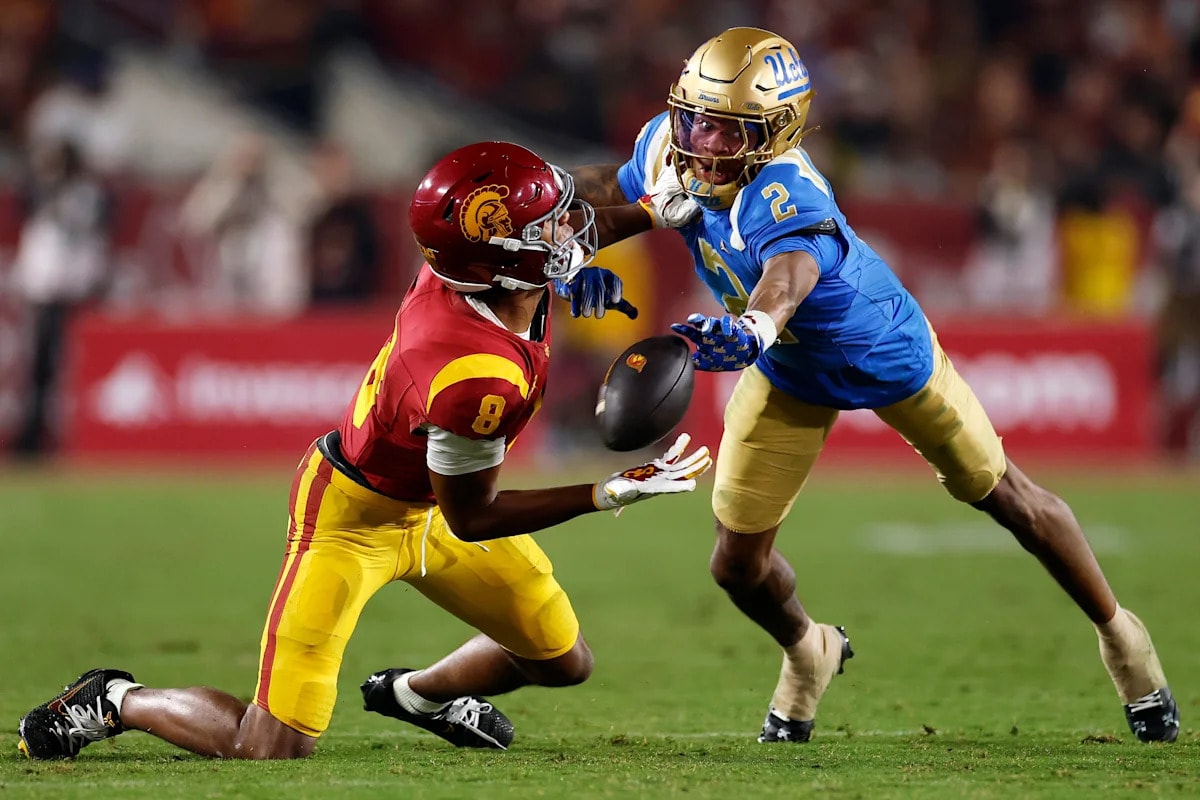
UCLA football’s path to USC has come into focus again, with one analyst suggesting the Bruins may not have to wait long to start tipping the rivalry back toward their side. In a fresh look at the matchup, Trojans Wire writer Matt Zemek frames the question as a timeline problem, arguing that UCLA could beat USC in either of the next two seasons if the program’s recent overhaul translates quickly on the field.
The central reason Zemek points to is staff change. UCLA brought in a new coaching staff this offseason, and within that framework the Bruins believe they are building toward faster results than their recent history has suggested. The point of emphasis is not just recruitment or recruiting messaging, but execution, especially in the weeks when rivalry football often becomes about detail, preparation, and game-plan discipline.
Zemek’s view is also rooted in what a rivalry game asks of both teams. USC comes into the matchup with a well-established identity, and UCLA’s best chance to win would require more than competitiveness early. It would likely require UCLA to sustain performance through momentum swings, limit avoidable mistakes, and win the specific battles that tend to decide USC-UCLA games. That is why, in the analyst’s telling, the coaching staff’s ability to install and refine systems quickly matters as much as long-term development.
At the same time, UCLA football’s broader competitive environment cannot be ignored. Zemek notes that even if the Bruins are on the come-up, life in the Big Ten could slow the timetable for what fans want to see. The Big Ten presents a different regular-season rhythm and a different type of roster construction and weekly matchup pressure, factors that often shape how quickly a program’s improvements show up year over year.
For UCLA, that creates a meaningful tension. The rivalry calendar is short, and USC is a nearby barometer that can compress narratives into a single result. If UCLA is indeed improving quickly, a win over USC would become a marker that the staff transition is working. If it does not, the implication is usually that the program is building but not yet finishing its transformation, at least not at the level required to topple USC.
In practical terms, what to watch next is not only whether UCLA’s identity looks steadier by late fall, but whether the Bruins can convert that stability into results against a top opponent on a big stage. The rivalry also tends to magnify coaching decisions: second-half adjustments, risk management, and situational calls. As UCLA moves through the 2026 season, fans will be looking for signs that Chesney’s staff can translate its offseason priorities into consistent in-game clarity.
None of this is guaranteed, and Zemek’s argument is ultimately a projection based on staff-building and program belief rather than a promise of immediate results. Still, if UCLA’s offseason turnover is followed by measurable on-field cohesion, the rivalry could become harder for USC to handle sooner than many assumed.
Why It Matters
- A UCLA win over USC would reshape the rivalry narrative and report that program changes are producing immediate competitive payoff.
- If UCLA is improving quickly, the Bruins could establish a clearer recruiting and development storyline ahead of subsequent seasons.
- How UCLA handles Big Ten adjustment pressures can influence whether rivalry momentum carries through the rest of the year.
Key Facts
- Matt Zemek, writing for Trojans Wire, argues UCLA could beat USC in the next two seasons.
- The article’s premise is tied to UCLA bringing in a new coaching staff this offseason.
- Zemek characterizes UCLA as being on the rise and believing it can produce faster results.
- The piece also suggests Big Ten competition could delay UCLA’s success timeline.
- The matchup discussed is UCLA football versus USC, with the rivalry used as the benchmark for progress.