
THE APEX TIMES
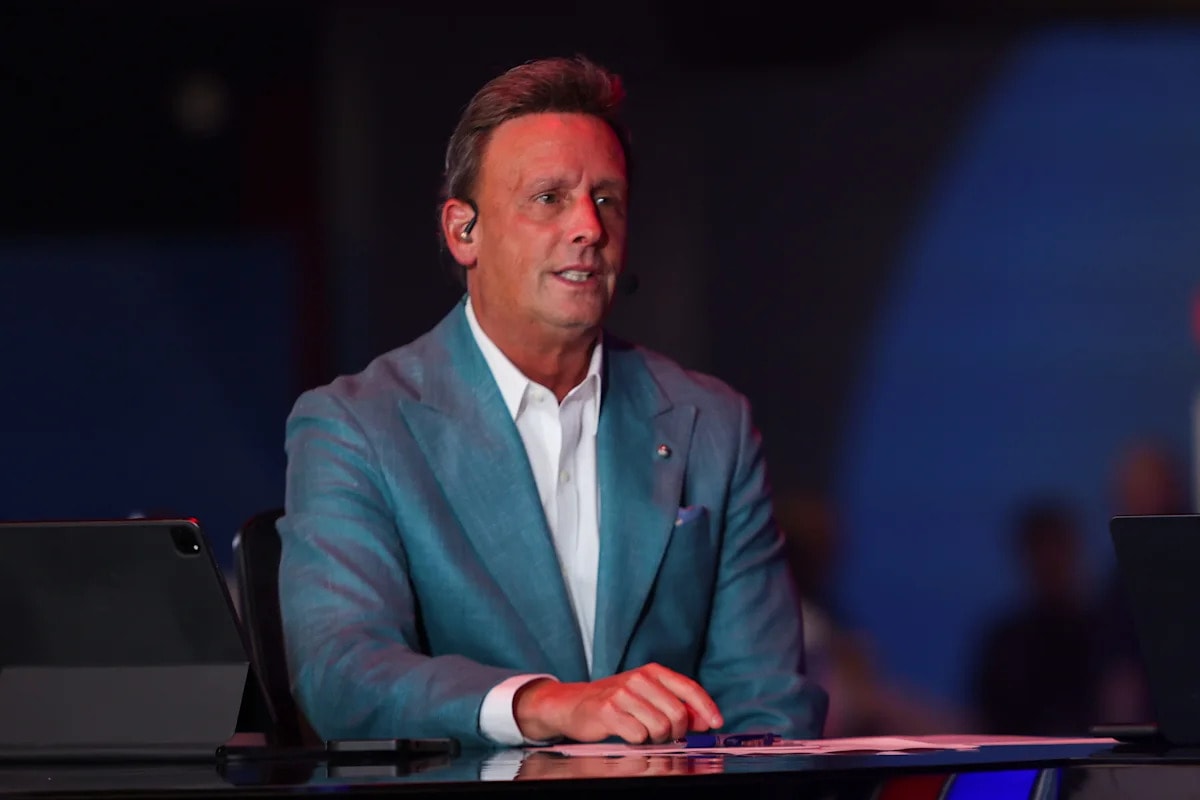
With Little League World Series underway, the question is whether Karl Ravech will be at the mic after ESPN changes
As the Little League World Series begins at Howard J. Lamade Stadium in South Williamsport, attention is turning to who will call the games and what Karl Ravech’s recent ESPN status means for the broadcast.
The Little League World Series is set to begin in South Williamsport, and along with the usual focus on standout young players, there is a new subplot: whether Karl Ravech will be calling the games despite recent turmoil at ESPN. A Yahoo Sports preview framed the issue directly, asking if Ravech would remain behind the microphone “amid ESPN layoffs,” as the tournament opens.
Ravech is a familiar voice to many baseball fans because of his long-running MLB work, including major national broadcasts. That makes his potential presence at the Little League World Series notable beyond the youth stage of the sport. The LLWS is one of the rare events where mainstream baseball talent and household broadcasters intersect with the sport’s earliest national spotlight, often creating a crossover appeal that goes beyond local Little League communities.
South Williamsport’s Howard J. Lamade Stadium is the long-established home of the event, with the stadium’s opening dating back to 1959. That continuity has helped cement the tournament’s identity, turning the ballpark into a symbolic anchor for generations of Little Leaguers. Yahoo’s preview used that history to set the scene, emphasizing how the LLWS has been tied to its current grounds for decades.
What remains unsettled, according to the framing of the Yahoo Sports piece, is whether Ravech’s role will line up with that tradition. The article’s core premise is that ESPN’s recent workforce changes have raised questions about who will call specific games, and whether Ravech’s seat is secure for the start of the tournament. In other words, the broadcast plan, not the on-field product, is what is drawing attention as the first pitches are about to be thrown.
There is also a broader reason the question matters. The Little League World Series is watched by both hard-core baseball fans and casual sports viewers who may be tuning in for the first time. A recognizable commentator can shape the feel of the coverage, the clarity of in-game storytelling, and how comfortably the broadcast connects the tournament’s raw enthusiasm to a national audience. If the crew changes, viewers may notice differences in how the games are packaged and explained.
For now, the most responsible takeaway is that Yahoo has raised the issue but not, in the material visible here, confirmed the final on-air assignments. Fans watching the opening window of the LLWS coverage will be able to verify quickly whether Ravech is listed in the broadcast lineup and whether he is paired with the same production teams he is associated with in other baseball settings.
What to watch next is straightforward: the official Little League and broadcaster listings for each network’s game slate, and any subsequent announcements that clarify who will handle play-by-play and color roles during the tournament. If Ravech is not behind the mic, the follow-up question becomes who will fill the gap, and whether the broadcast tone shifts as a result.
Why It Matters
- Broadcast teams can affect how a national audience experiences the LLWS, including pacing, storytelling, and the overall viewing feel.
- If a familiar MLB voice like Ravech is not in the lineup, fans may notice a shift in commentary style during high-profile youth baseball coverage.
- The LLWS is one of the clearest bridges between mainstream baseball media and the grassroots pipeline, so announcing the on-air crew is part of how the event is marketed and understood.
Sources
Key Facts
- A Yahoo Sports preview raised the question of whether Karl Ravech will call Little League World Series games amid recent ESPN layoffs.
- The Little League World Series is held at Howard J. Lamade Stadium in South Williamsport.
- Yahoo noted that Howard J. Lamade Stadium opened in 1959, tying the LLWS to its current grounds for decades.