
THE APEX TIMES
With Notre Dame-USC set to wait until 2030, UCLA’s closest crosstown rival may be USC again
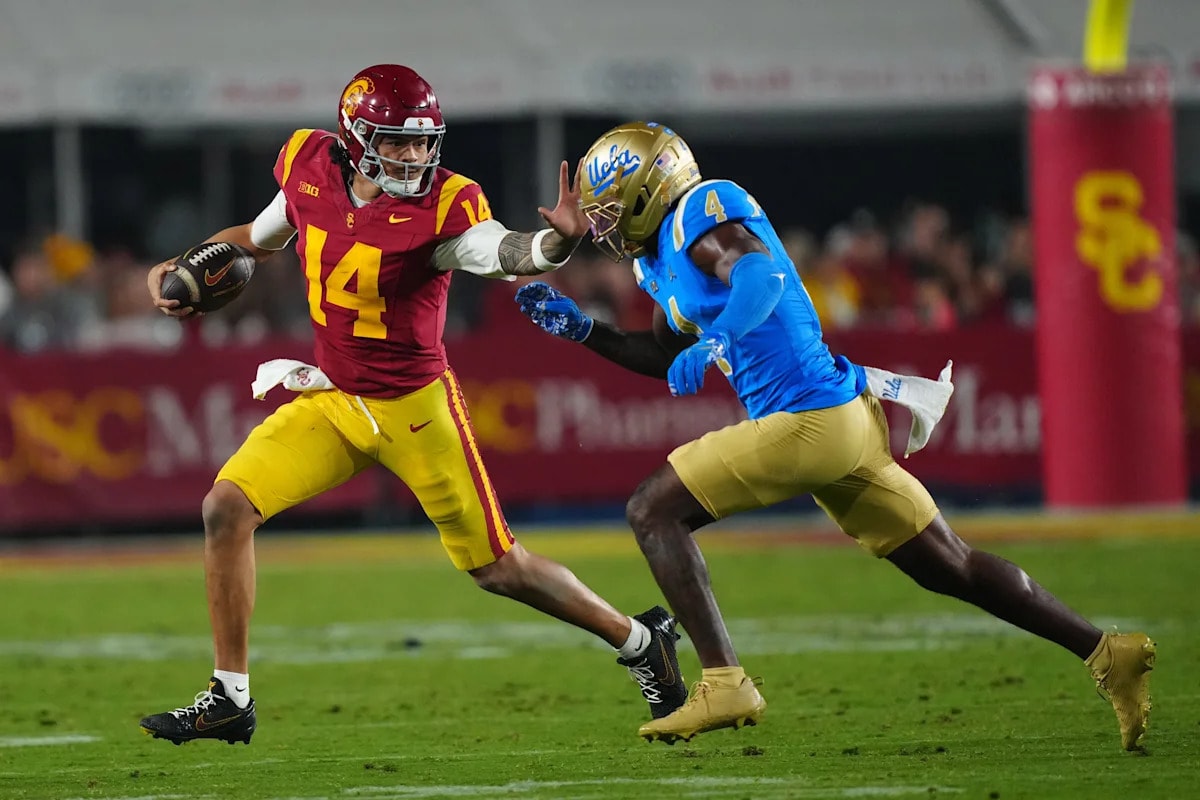
As UCLA settles into a shared conference landscape with USC, the crosstown matchup is starting to look like the most natural rivalry anchor, at least until USC’s next regular-season alignment with Notre Dame.
UCLA and USC do not meet in the regular season in the same time frame as UCLA’s most storied outside rivalry, at least not yet. According to Yahoo Sports, USC and Notre Dame are not scheduled to face each other in the regular season until 2030, raising a question that matters for how college football fans keep rivalries relevant during long scheduling gaps: if one of USC’s classic marquee opponents is effectively on pause, which program becomes the Trojans’ most important foil for the time being, and how does that shift the rivalry map for UCLA?
For UCLA, the answer is not theoretical. The programs share Los Angeles geography, and the crosstown proximity makes the USC-UCLA matchup the kind of rivalry that does not need long-term scheduling favors to feel immediate. Yahoo Sports frames the rivalry as a natural fit from a regional standpoint, suggesting that, in the absence of other frequent high-profile opponents, USC offers UCLA a consistently meaningful weekly storyline even if the national spotlight rotates.
The context gets sharper because UCLA and USC are both moving to the Big Ten Conference. In Yahoo Sports’ view, that shared conference alignment removes one of the old structural reasons rivalries can drift, since conference membership generally tightens annual scheduling and makes head-to-head meetings more predictable than they are for programs outside the same league. The practical impact is that the “crosstown” rivalry has a more stable platform to build on when teams see each other every season rather than only in intermittent cycles.
Still, rivalry significance is not created by scheduling alone. It is also built through recruiting, fan culture, and the way each program’s identity evolves over the years. Even if USC and UCLA meet more often, the rivalry’s intensity can rise or fall depending on on-field competitiveness, coaching styles, and whether both schools can sustain recruiting momentum in the same recruiting footprint. For UCLA, that means the USC game’s importance may be highest when the Bruins are competitive in the conference and the game carries real implications for bowl positioning and conference standing.
The “Notre Dame game ending” angle, as Yahoo Sports puts it, is therefore less about any single season and more about what long gaps do to rivalries in the modern scheduling era. Notre Dame has a special role in the college football ecosystem, and its regular-season matchups often function like rivalry gravity for other programs. When one of those high-attention matchups is pushed far out, it can force attention to redistribute, elevating other relationships that are closer, more frequent, and easier for fans to follow from one year to the next.
Looking ahead, the UCLA-USC matchup is likely to remain the most emotionally intuitive rivalry for UCLA fans in the short run, especially because proximity and repeat conference scheduling both point in the same direction. The bigger question for the next several seasons is whether the game’s stakes will feel uniformly high on the field, or whether one side’s advantage will narrow the rivalry’s emotional balance. If both teams are in contention within the Big Ten in the years after Notre Dame-regular-season meetings become less frequent, the rivalry could deepen quickly; if not, the matchup may still matter culturally, but it may lose some of the “can’t-miss” stakes that build national urgency.
For now, the story is a reminder that college football rivalries are not static. They are shaped by calendars, league structures, and the availability of major opponents. With USC and Notre Dame not set for a regular-season meeting until 2030, the USC-UCLA game is positioned to be the rivalry that UCLA fans can count on, not just in name, but in meaning, at least until another headline matchup takes its place.
Why It Matters
- Rivalry attention tends to follow scheduling, especially when a marquee matchup is delayed for multiple seasons.
- If UCLA and USC meet every year in the same conference, the USC game can become a stable reference point for fan engagement and recruiting narratives.
- Whether the rivalry becomes “big” in the standings depends on both programs’ competitiveness within the Big Ten over time.
Sources
Key Facts
- Yahoo Sports reports that USC and Notre Dame will not face each other in the regular season until 2030.
- Yahoo Sports argues that UCLA’s most compelling rival during the interim could be USC.
- The article cites Los Angeles proximity as a natural fit for the USC-UCLA rivalry.
- Yahoo Sports links the rivalry’s relevance to both programs moving to the Big Ten Conference, implying regular annual meetings.