
THE APEX TIMES
With six weeks remaining, strength of schedule becomes a deciding variable in a crowded 2026 MLB wild-card race
As the regular season tightens, contenders for both leagues face a postseason math problem. Matchups left on the calendar, not just raw performance, can shape who gets October at-bats.
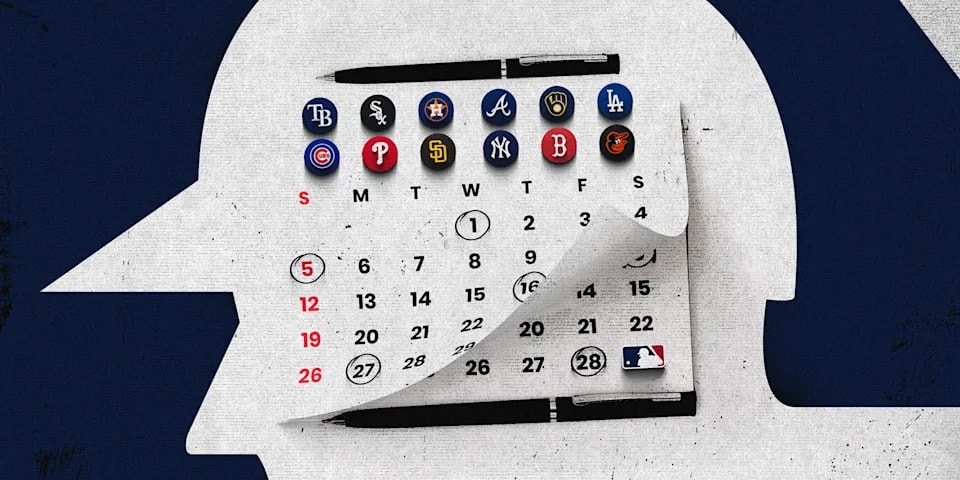
The 2026 wild-card race is entering its final stretch, and one factor is emerging as more than background noise. With just six weeks left in the regular season, strength of schedule has become a major lens for evaluating the remaining contenders in both the American and National Leagues. The basic idea is straightforward: in a tightly packed postseason field, the difficulty of what comes next can swing the standings as much as a club’s results do today.
A crowded wild-card picture tends to amplify every remaining series, because there is limited room for error. In that environment, teams are not only racing for wins, they are also racing for favorable sequencing. Facing opponents that are themselves playing for something, whether a playoff berth, a higher seed, or to avoid being eliminated, can turn ordinary games into high-leverage swings.
The Yahoo Sports preview frames the final six weeks as a period when the race becomes less about imagination and more about matchups. That means looking past the current standings and toward each team’s remaining slate: who is left to play, how many games are against other contenders, and how often a club has to travel or face unfamiliar opponents during the most consequential window of the year. In other words, strength of schedule functions like a multiplier in a season where multiple clubs can still reach the finish line together.
There is also a practical wrinkle that makes strength of schedule especially relevant near the end. Late-season schedules are less forgiving because momentum and roster usage can start to compound week to week. Even without assuming anything dramatic on the field, a club that gets a stretch against tough opponents can find itself in an immediate deficit that is difficult to erase before the final weekend. Conversely, a club that finishes with a comparatively manageable set of opponents can climb quickly if results line up.
The most important caveat is that strength of schedule is not the same thing as guaranteed outcomes. Baseball still has randomness and variance, and teams can overperform against the difficulty of their opponents. A schedule can look favorable and still produce disappointing results, especially in games against teams that may be playing with different urgency than their final-season position suggests.
What to watch next is how quickly the standings reflect those remaining matchups. If the wild-card field tightens further, the teams that consistently turn games into wins against strong competition will separate from the pack. If instead clubs handle their remaining opponents, then the race may keep compressing into the last few series, where even small differences can decide whether a team plays postseason baseball in October.
Why It Matters
- In a tight wild-card field, late-season schedules can determine which clubs separate before the final week.
- Matchup difficulty can change the urgency of specific series, turning average weeks into potential elimination or clinch windows.
- Evaluations of contenders increasingly depend on remaining opponents, not just past performance.
Key Facts
- The 2026 MLB regular season has about six weeks remaining.
- Both leagues’ wild-card races are described as crowded, making postseason qualification increasingly sensitive to remaining matchups.
- Strength of schedule is highlighted as a major factor over the final stretch.
- The focus shifts from current standings to what opponents remain on each contender’s calendar.