
THE APEX TIMES
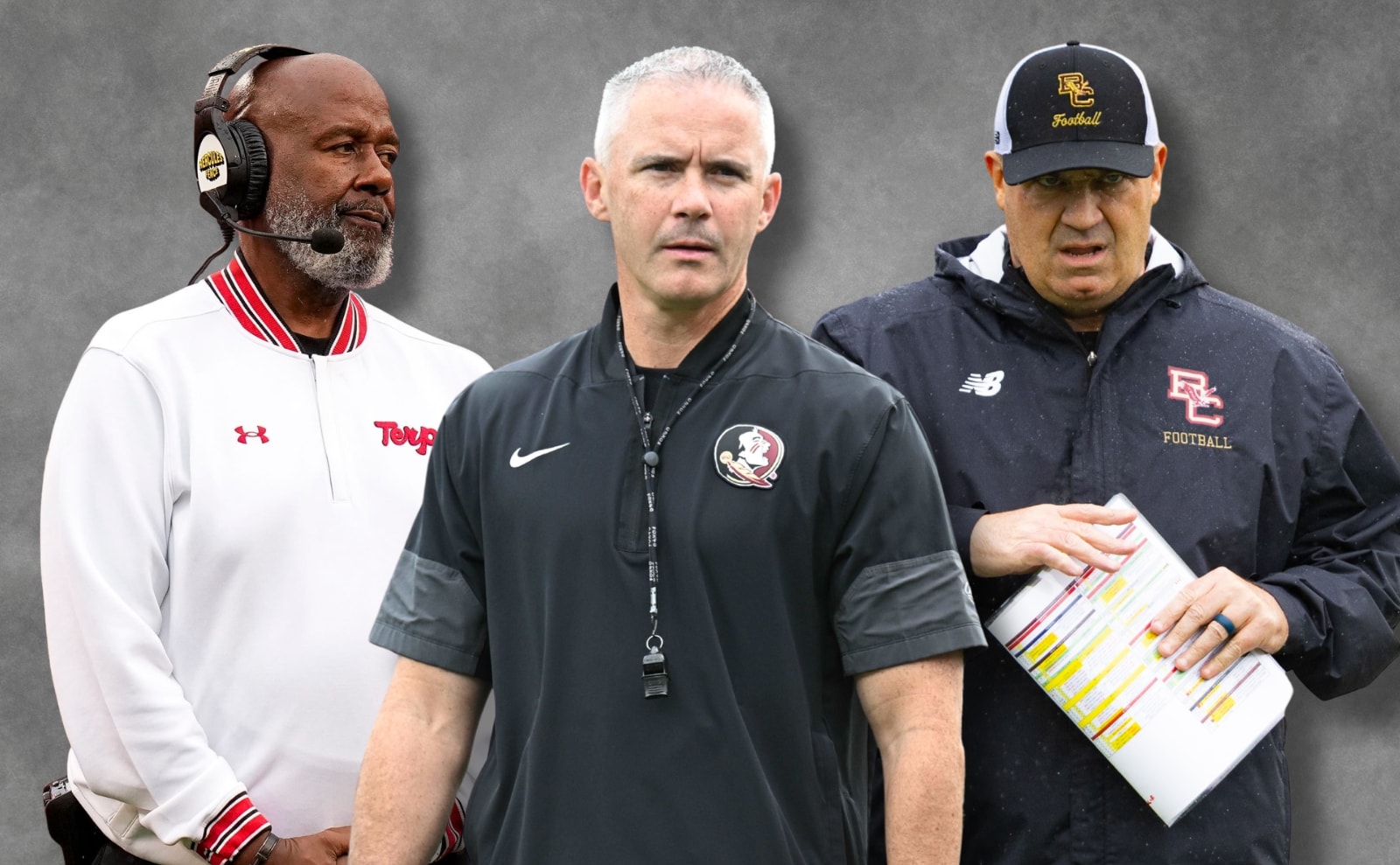
Yahoo Sports flags three college football head coaches as midseason firing risks
With roughly half the season completed, a Yahoo Sports look highlights how quickly programs can turn when early results do not match expectations.
We’re about halfway through the 2026 college football season, and Yahoo Sports is pointing to a small group of head coaches it believes are at elevated risk of dismissal before the schedule runs out. The premise is straightforward: each of the coaches began the year needing a clear bounce-back, and after about six weeks, none has moved the needle enough to remove the urgency from athletic directors’ decision-making.
College football coaching jobs tend to be judged on trajectory, not just outcomes. Yahoo’s framing emphasizes that teams can become “what you see is what you get” programs when results stay stuck, particularly when the preseason message promised improvement. In that environment, athletic directors often prefer to make a change while there is still time to stabilize recruiting, preserve late-season development, and create a clean runway for offseason planning.
The Yahoo Sports piece also underscores a timing problem for staffs: midseason firings are disruptive, but waiting longer can be even more costly. A coaching change before November can give the new leadership a chance to build continuity with coordinators, define an offensive and defensive identity for the final stretch, and manage the inevitable churn that comes with new hiring and internal reassignment. The tradeoff is that the earlier the move, the more a program must recalibrate while still playing a full slate of conference games.
While the report identifies three specific coaches, this publication will not speculate on unverified details beyond what Yahoo Sports’ report itself establishes. What we can responsibly say from the available information is that the story categorizes each coach as having entered 2026 on the “hot seat,” and it ties the risk to insufficient bounce-back progress by early October. Without additional primary confirmation here, the identities of the coaches and the exact performance metrics behind the assessment should be treated as pending review.
This kind of hot-seat narrative is also closely related to institutional expectations. Programs that invest heavily in facilities, recruiting operations, and assistant coaching staffs often set internal benchmarks for competitiveness. When a team fails to reach those benchmarks early, it can create pressure for leadership to act, especially if alumni and boosters begin to frame the season as stalled rather than transitional.
From a team-building standpoint, a midseason coaching change can alter more than just headlines. It often affects practice emphasis, game-planning style, and how players are used in roles that are sometimes set weeks earlier. Even when coordinators remain in place, a new head coach can bring different priorities to quarterback management, play calling tendencies, third-down decision-making, and situational football.
The most immediate on-field consequence fans tend to watch is whether the group changes its results late in the season, but the longer-term consequence is typically recruiting. Decisions in October and November can influence visits, official recruiting timelines, and how prospects interpret a program’s direction. A firing before the regular season ends can also reshape messaging during the late recruiting window, even if players already committed to a staff must remain focused on finishing the year.
Next, the key development to monitor is whether any athletic director acts on the risk Yahoo Sports describes before the season reaches its final weeks. If a change occurs, the ripple effects will likely show up quickly in internal leadership structure, the tone set for the final games, and the way the program positions itself for the offseason. Until then, Yahoo’s report should be read as a high-level warning sign rather than a confirmation of dismissals.
Why It Matters
- Midseason coaching changes can reshape late-season preparation, including game planning and how a team manages remaining conference contests.
- A decision before November can give a new staff time to influence late recruiting and offseason planning.
- Coaching churn can affect player development, especially in leadership roles like quarterback play and situational decision-making.
- Hot-seat narratives can increase scrutiny across the sport, influencing how fans and boosters evaluate momentum rather than preseason expectations.
Sources
Key Facts
- Yahoo Sports reports that three college football head coaches entered the 2026 season on the hot seat.
- The report says each coach needed a bounce-back year to keep their job.
- Yahoo describes the risk increasing after roughly six weeks of play, before November.
- The article frames the situation as an athletic director’s decision point where timing matters.
- The report’s central theme is that early-season underperformance can force action before the season ends.