
THE APEX TIMES
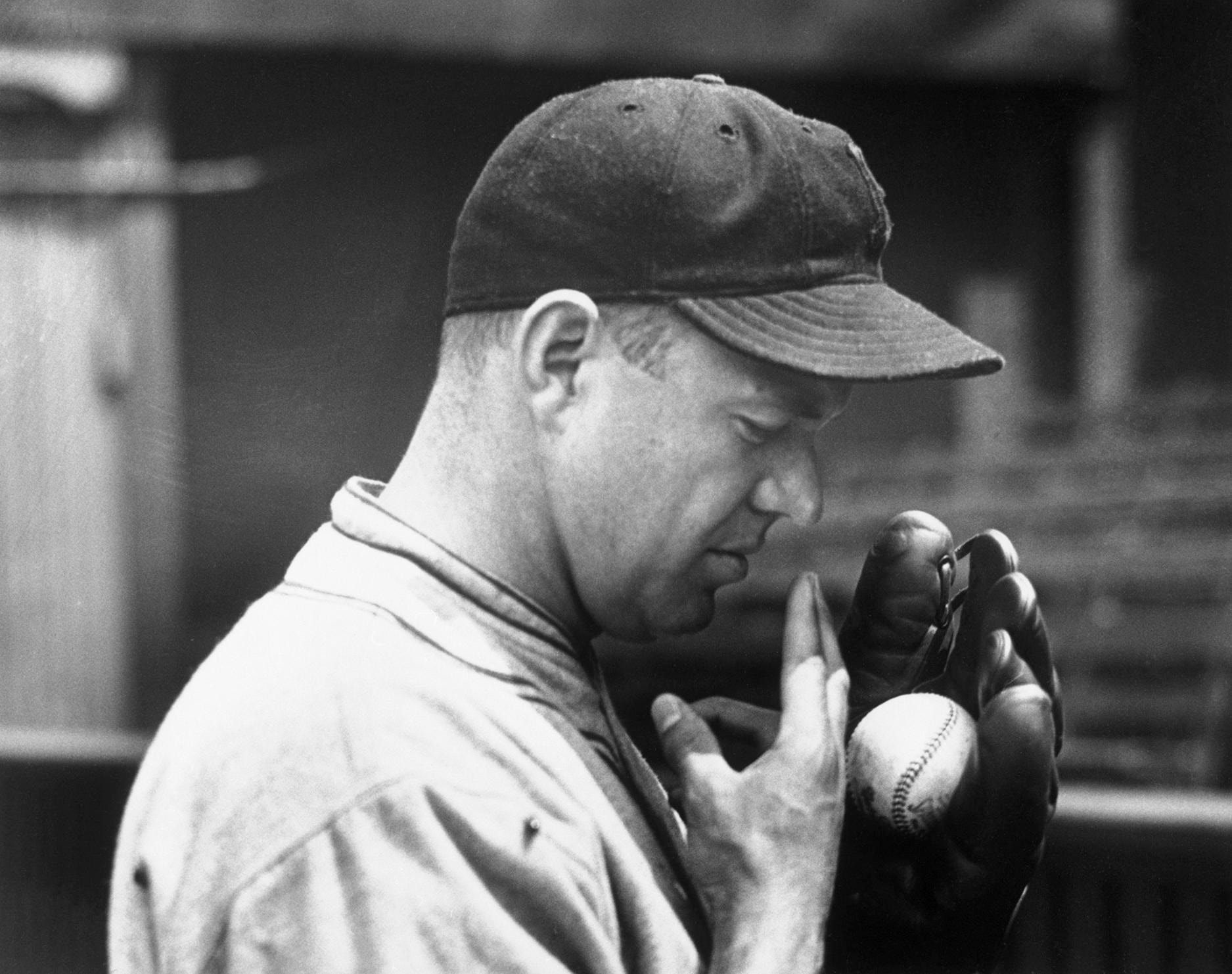
Yankees Birthday of the Day: Burleigh Grimes and the spitball’s last chapter
On his 133rd birthday, Burleigh Grimes remains a singular figure in baseball lore, often remembered through one pitch and one of the sport’s most storied cheating controversies.
Baseball’s long relationship with rule-breaking is as much a part of its history as any pennant. On Tuesday, the Yankees’ “Birthday of the Day” feature marked the 133rd birthday of Burleigh Grimes, who is widely characterized in the baseball record book as the last spitballer. The spitball, after all, is not just a pitch. It is one of the clearest symbols of how the sport once treated “creative” wrongdoing as something close to institutional knowledge.
The Yankees’ tribute frames the spitball inside the broader arc of cheating in baseball, placing it alongside modern conversations about sign stealing and the sport’s own past cycles of PED allegations. In that context, Grimes is treated as an example of a scandal category that predates the current era, but still feels instantly recognizable to fans: an edge created by deception, not by pure physical advantage.
What makes the spitball story stand out, at least as the Yankees tell it, is how it has stayed vivid. Spitballing, in the public imagination, sits at the intersection of craft and contraband. It is easy to picture, easy to describe, and hard to forget, which is why it persists even when the mechanics of pitching and the rules of the game have moved on. The feature’s tone suggests that baseball’s “amusing” moments in wrongdoing are not always the ones that history remembers for the worst harm, but for the odd familiarity they create.
Grimes’ connection to the label “last spitballer” also highlights how baseball eventually had to draw clean lines between acceptable pitching variation and illegal manipulation. A pitch like the spitball could be discussed as technique, even as it remained fundamentally at odds with what the rules allow. Over time, baseball’s evolving enforcement and modernization of officiating helped push the spitball out of the game, turning a living practice into a historical footnote.
For Yankees fans, there is a further layer to the remembrance. Baseball clubs often use these anniversary posts to connect the franchise identity to the sport’s deeper timeline, and that is what “Birthday of the Day” does here by choosing a figure associated with a specific controversy category. Even without focusing on game-by-game details, the point is that baseball’s modern integrity battles are not new. They sit on top of older debates about what counts as fair play, and who gets to decide.
As for what to watch next in this kind of coverage, the most useful angle is not whether baseball once allowed the wrong things. It is how the sport keeps revisiting its own past whenever new forms of cheating enter the conversation. The Yankees’ choice to pair Grimes with references to sign stealing and steroid/PED eras serves as a reminder that fans keep coming back to the same core question: where does competitive ingenuity end, and where does deception become the real differentiator?
Why It Matters
- It underscores how baseball’s integrity debates are cyclical, with older cheating forms informing how fans interpret newer controversies.
- Remembering “the last spitballer” highlights the sport’s long transition from selective tolerance of certain practices to stricter enforcement of pitching rules.
- For the Yankees, the franchise’s anniversary-format history content reinforces team identity by linking it to iconic, scandal-adjacent baseball moments.
Key Facts
- The Yankees marked Burleigh Grimes on his 133rd birthday in a “Birthday of the Day” feature.
- Grimes is described in the feature as the last spitballer.
- The piece places the spitball inside baseball’s larger history of cheating, including references to sign stealing and PED-related news cycles in later decades.
- The feature’s emphasis is on the spitball as a historically notable, easily recognizable form of rule-breaking.