
THE APEX TIMES
Yankees Birthday of the Day: Ping Bodie, the Italian-American Original Who Roomed With Babe Ruth
Frank Stephen “Ping” Bodie, born in San Francisco in 1887, turned a fear of mockery into a nickname built on the sound of his bat, and later became part of the Yankees’ early inner circle through his relationship with Babe Ruth.
On Oct. 8, baseball history spotlights Frank Stephen Bodie, better known as “Ping” Bodie, the San Francisco-born player whose life story reads like early 20th-century America. Before he ever became a familiar Yankees figure, Bodie, born Francesco Stephano Pezzolo in 1887, would later adopt a different name for a reason he believed was personal and practical: he felt the “Pezzolo” identity could invite mockery and discrimination tied to his Italian heritage. The change was not just paperwork, it was a bid for acceptance in a sport and a country that could be unforgiving to outsiders.
Bodie’s nickname, “Ping,” was also rooted in baseball itself. According to the birthday feature, “Ping” came from the distinctive sound associated with him hitting baseballs with a heavy, 52-ounce piece of lumber. In other words, the nickname was not an abstract label. It was tied to a sensory detail fans and teammates could recognize, the kind of in-game identifier that helped early baseball characters become memorable beyond box scores.
The same feature describes an unusual off-field chapter as well. Bodie participated in an eating contest involving an ostrich, a story that fits the larger-than-life nature of the era’s ballplayers, when entertainment and athletics often mixed and when local legends could travel as quickly as batting averages. Even in a sport built on repetition, there is room in baseball mythology for the unexpected, and Bodie’s ostrich contest is part of that tapestry.
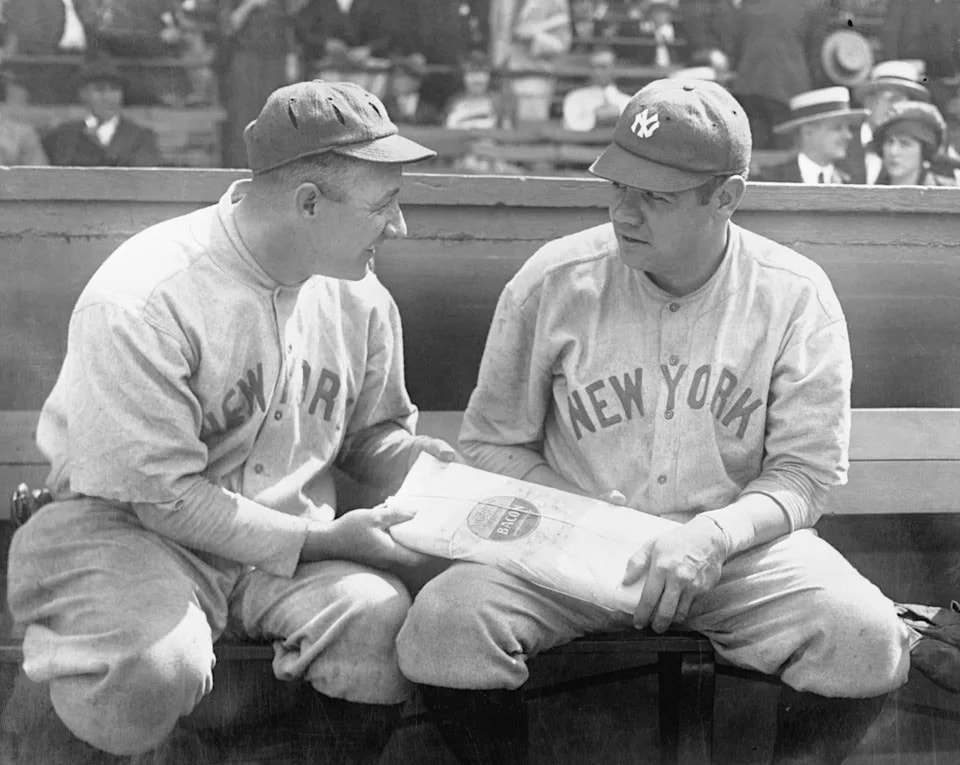
Bodie’s Yankees-era story gains another layer through his relationship with Babe Ruth. The feature notes that Bodie roomed with Ruth, tying him to one of baseball’s most storied friendships and rivalries of the time. In team sports, roommates often become more than shared space. They become witnesses to routines, temperaments, and habits, and the note about Bodie and Ruth living together helps explain why some players, even without today’s level of media access, could become part of a dynasty’s human network.
Naming and company mattered for Bodie, but the path from Francesco Stephano Pezzolo to Frank Stephen Bodie is where the narrative becomes most resonant. The feature frames the switch as a response to social pressure, not merely a desire to sound “American” for its own sake. That context gives modern readers a clearer view of why name changes were so common in baseball’s early decades and why they carried more weight than fans might assume.
In the story, Bodie’s “Bodie” portion of the name is traced to a California town that was special to his family. That detail matters because it prevents the name change from looking purely transactional. Even with a new identity shaped by fear of how he might be treated, Bodie appears to keep a thread of home and personal meaning, anchoring the transformation to a place tied to his family.
Taken together, the birthday feature presents Ping Bodie as a player defined as much by the world around him as by the baseball he played. “Ping” is the sound of contact, the ostrich contest is the era’s oddball entertainment, and the Ruth connection is a window into the Yankees’ early mythology. For today’s fans, the most practical takeaway is how these personal stories show up in baseball culture, long after the field has changed and the names have been filed into history. Next to watch, if you are tracking Yankees lore, is how Bodie’s nickname and relationships have persisted as shorthand for that early Yankees character.
Bodie’s story is compelling, but the evidence here is drawn from a single retrospective birthday profile, not an official Yankees biography or primary archival documentation in the materials provided. Readers who want to verify the finer details would typically look for confirmation through team historical records, contemporaneous newspaper accounts, or official baseball reference databases. Still, as a narrative of identity, contact, and companionship in the game’s early landscape, the birthday feature captures why “Ping” Bodie remains a recognizable name even decades later.
Why It Matters
- Bodie’s name change story reflects how identity and social pressures shaped baseball culture, especially for immigrant communities in the sport’s early decades.
- The “Ping” nickname highlights how specific on-field mechanics and distinctive contact could become part of public player identity.
- The Ruth connection shows how personal relationships helped define the Yankees’ early clubhouse mythology.
- Off-field anecdotes, like the ostrich eating contest, illustrate why baseball legends often formed beyond stat lines in that era.
- For Yankees history, Bodie is a reminder that major narratives are built from many supporting characters, not only the headline stars.
Key Facts
- Frank Stephen “Ping” Bodie was born in San Francisco in 1887 as Francesco Stephano Pezzolo.
- The nickname “Ping” is described as coming from the sound Bodie made hitting baseballs with a 52-ounce bat.
- The birthday profile says Bodie changed his name out of concern about being mocked or discriminated against for his Italian heritage.
- The feature connects Bodie to Babe Ruth through a report that they roomed together.
- The profile includes an off-field anecdote in which Bodie participated in an eating contest involving an ostrich.
- It also describes the “Bodie” surname as linked to a California town that was meaningful to his family.