
THE APEX TIMES
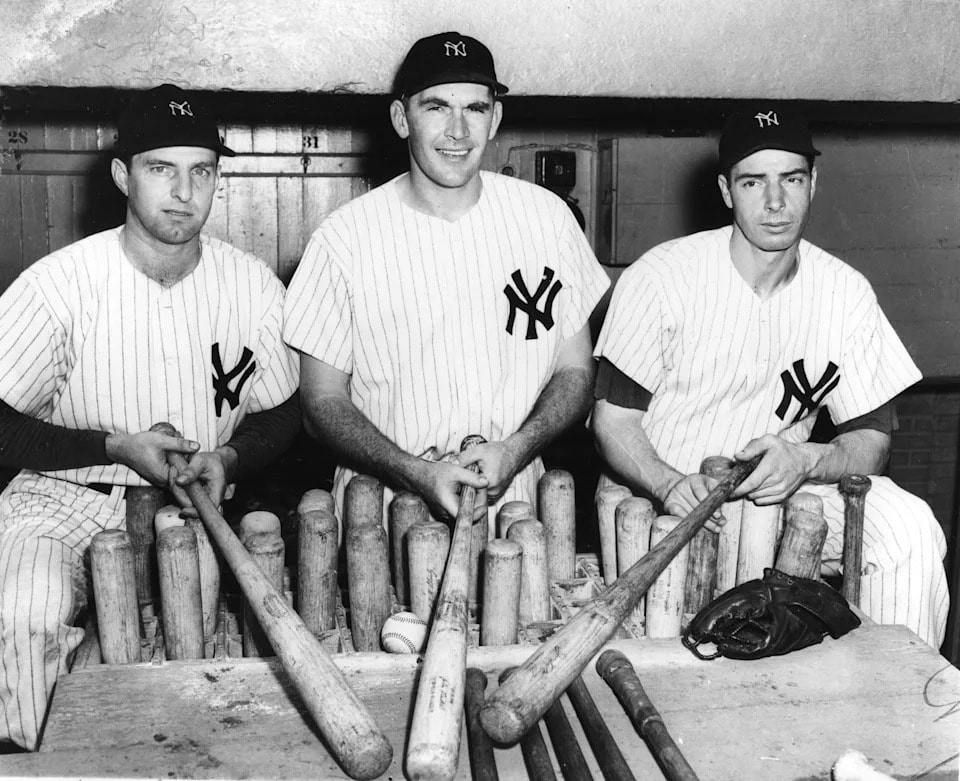
Yankees “Birthday of the Day” spotlights Johnny Lindell, a pitcher who had to reinvent himself in the outfield
Raised in California after being born in Colorado, Johnny Lindell earned Yankees attention in high school, entered pro baseball as an amateur free agent in 1936, and later made the shift from pitching to playing the outfield to stay on the major-league roster.
What happened today in baseball memory is simple, but it reflects a recurring truth about the sport. On August 30, the Yankees’ “Birthday of the Day” feature highlighted Johnny Lindell, a right-handed pitcher who became a major-league outfielder after his path as a pitcher hit limits. The Yankees’ item frames Lindell’s story as one of athletic promise and adaptation, a reminder that sticking in the majors often depends as much on willingness to change as on raw talent.
Lindell’s background was split between two places. The feature notes that he was born in Colorado but raised in California, and it ties his development to his multi-sport upbringing. In high school at Monrovia High School, Lindell starred not only in baseball, but also in football and track, an athletic resume the Yankees scouts apparently recognized early as more than just one isolated skill.
Before baseball became his route to the majors, Lindell’s early profile was specifically about his physical tools and how they might translate to pitching. The Yankees’ birthday entry describes him as a 6-foot-4 right-handed pitcher, a build that can shape how a prospect is evaluated because it often correlates with leverage, extension, and ball-plane potential. In Lindell’s case, those traits drew attention from the Yankees organization.
The same feature places Lindell’s Yankees entry in a clear historical moment. It says he was signed as an amateur free agent in 1936, and that the deal included a bonus of $150. In an era when the signing of amateur players could still carry direct, cash-and-paper impact, that figure indicated the Yankees were willing to invest in his perceived upside as an athlete who could fit their system.
But the Yankees’ “Birthday of the Day” framing also underscores that Lindell’s major-league life required a second decision. According to the feature, once he found that pitching alone was not the easiest way to remain in the majors, he had to convert to the outfield. That kind of position switch is not merely cosmetic. It typically requires a different training rhythm, a new approach to reading hitters, and the development of instincts that pitchers do not rely on day-to-day in the field.
The Yankees’ choice to spotlight Lindell on his birthday also situates his story inside the broader theme of player development. Teams can draft and sign players, but the roster spot is earned every day. Lindell’s trajectory, as presented in the Yankees’ account, illustrates how a player can remain valuable to an organization by taking on a new role when the original one does not fully work out.
As with many vintage baseball narratives, some details of Lindell’s day-to-day performance and exact career timeline are not included in the birthday excerpt itself. What is clear from the Yankees’ description is the arc: athletic, scouted early as a pitcher, signed as an amateur free agent in 1936, and then transitioned to the outfield so he could keep a foothold in the major leagues. The next thing to watch, if you want to follow the thread beyond the birthday feature, is how Lindell’s conversion was received by the organization and how quickly he could translate his competitive tools into outfield play. That is the leverage point in stories like this, where adaptation becomes a skill of its own.
Why It Matters
- Position switches can be the difference between a prospect’s disappearance and a long enough runway to succeed.
- The Yankees’ emphasis on Lindell’s conversion highlights how organizations value athletic versatility, not just one skill set.
- Amateur signings from earlier eras often shaped career paths through early investment, and Lindell’s $150 bonus points to that direct relationship.
- Stories like Lindell’s are a useful reminder that player roles evolve, sometimes because a team needs a workable fit more than it needs a perfect original plan.
Key Facts
- Johnny Lindell was raised in California after being born in Colorado.
- The Yankees’ “Birthday of the Day” feature describes Lindell as a 6-foot-4 right-handed pitcher.
- Lindell starred in multiple sports at Monrovia High School, including baseball, football, and track.
- The Yankees signed Lindell as an amateur free agent in 1936 and reported a $150 bonus.
- The Yankees’ feature says Lindell converted to the outfield to stick in the majors.