
THE APEX TIMES
Yankees find an offensive plan while Aaron Judge remains away
New York’s high-powered lineup is built around its captain, but a win without him underscored how the Yankees can manufacture runs through contact, speed, and lineup depth.
The Yankees went into their workday weighing a simple question: what does this offense look like without Aaron Judge anchoring it night after night? With Judge absent for an extended stretch that forced the organization to consider alternatives, New York’s hitters still managed to produce enough offense to come away with a win, using a blend of contact and quick baserunning instead of relying on one defining power source.
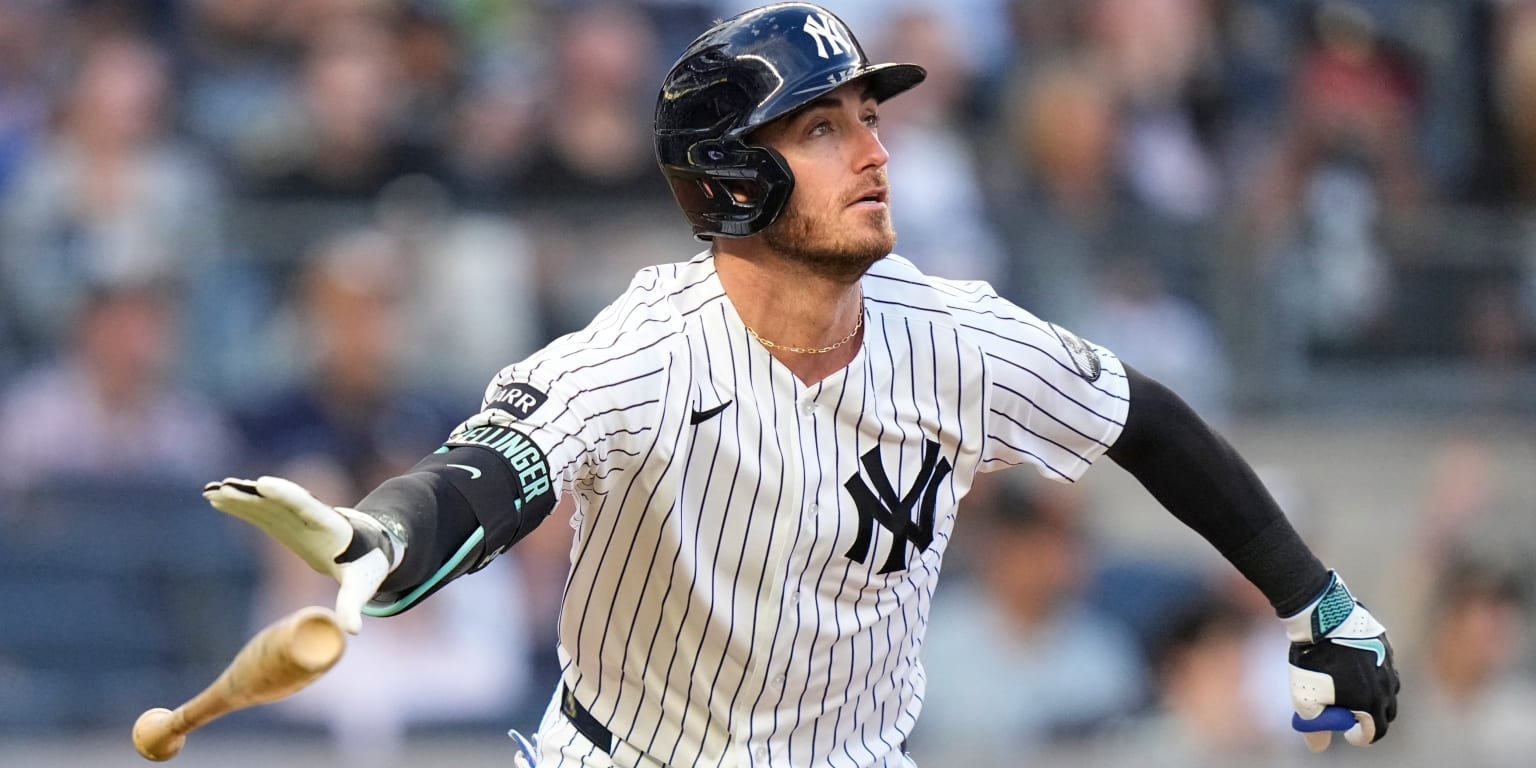
The immediate illustration came from Cody Bellinger, who was central to the production. In the team’s victory, Bellinger finished one hit short of a cycle, a performance that points to the kind of versatility the Yankees have leaned on when the middle of the lineup is reconfigured. Power mattered, but the bigger takeaway was that extra-base ability showed up alongside other parts of the game that keep rallies moving.
In games where the Yankees cannot count on Judge as the offense’s most reliable at-bat, the margin for error narrows. That is where small-ball elements become more than a slogan. Getting on base, advancing efficiently, and manufacturing at-bats for the next hitter can change how quickly innings end, especially against pitching that attacks the strike zone with confidence.
For New York, that shift does not remove the need for the deeper hitters to drive the ball. Instead, it changes the sequence. When the lineup has to be built around gaps, matchups, and situational hitting, the “high-powered” label depends on more than one swing. It depends on whether the group can generate enough multi-skill production that the team remains dangerous even when one of its most feared bats is not in the lineup.
The Yankees also have to consider how such stretches influence game planning. Managerial decisions about batting order, baserunning aggressiveness, and which hitters are asked to do specific jobs tend to become more pronounced when the team is operating without its usual centerpiece. Over multiple games, those choices can either reinforce a coherent offensive identity or expose where the lineup becomes too dependent on one role.
Even with a win, the longer-term question remains the same: whether this “small ball plus power from multiple sources” approach holds up over time. The next test for New York is consistency across opponents and environments, particularly when pitchers adjust after seeing how the Yankees generate runs without their captain’s standard impact. If the Yankees keep finding ways to extend rallies and get key hits from a broader mix of hitters, the absence becomes less damaging to the team’s offense than the early concerns suggested.
Why It Matters
- Judge’s absence forces New York to determine how resilient its offense is when it cannot lean on its most consistent run-producer.
- If the Yankees can manufacture rallies through contact and baserunning, they can protect scoring output even when power is uneven.
- How the Yankees assemble their order and manage at-bats during Judge’s absence will shape their late-game strategy in future matchups.
- Bellinger’s all-around contribution highlights the importance of lineup depth when the team’s usual structure changes.
Sources
Key Facts
- The Yankees won a game while Aaron Judge remained away from the lineup.
- New York’s offense was discussed in the context of sustaining production without Judge anchoring the lineup.
- Cody Bellinger produced in the win and finished one hit short of a cycle.
- The Yankees were framed as leaning on a mix of contact and speed to generate runs.