
THE APEX TIMES
YouTube Gold revisits Duke-Texas A&M, 1987: Krzyzewski’s program meets the question of consistency
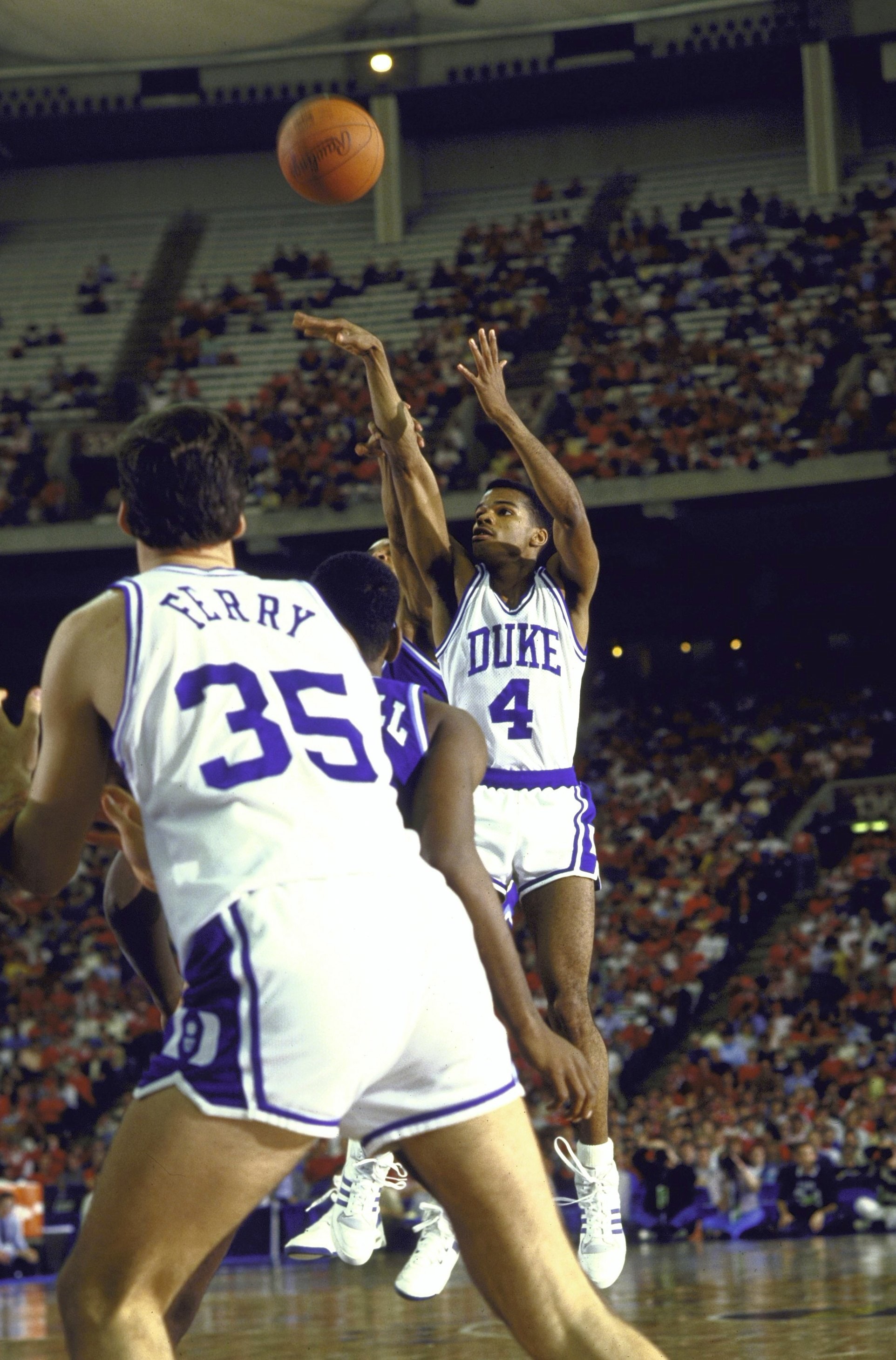
After Duke’s 1986 championship-game run, the bigger issue heading into 1987 was whether Mike Krzyzewski could keep the program performing at a high level. A classic matchup with Texas A&M became part of that answer.
In 1987, Duke arrived with a target on its back, because the prior season’s deep postseason run had changed how people talked about Mike Krzyzewski’s program. As Yahoo Sports framed it in its “YouTube Gold” look back, the question was not whether Duke could reach the sport’s biggest stage, but whether it could sustain that standard year after year.
The 1986 championship-game appearance had created immediate respect for Duke’s basketball identity, according to the Yahoo Sports description. That matters in college basketball because a single elite postseason can excite a fan base, but consistency is what turns a good team into a dynasty. Going into 1987, expectations were higher, and so was the scrutiny around Krzyzewski’s ability to reload and keep his system productive.
That’s the backdrop to the Duke-Texas A&M meeting highlighted in the Yahoo Sports segment. The piece emphasizes that by the start of 1987, it “wasn’t at all clear” that Krzyzewski could maintain Duke’s high level, even after the program’s impressive 1986 run. In other words, the matchup functioned as a test not just of who could win one game, but of whether the program’s foundation had durability.
The appeal of revisiting this specific matchup, especially through a modern lens, is how quickly the sport’s storylines cycle. College basketball quickly moves on to new classes and new adjustments, yet program-building is measured in years, not weeks. By revisiting Duke’s 1987 season narrative through a single marquee opponent like Texas A&M, the segment underscores how the sport evaluated coaching steadiness long before it became common to define teams by long-term branding.
For readers looking to place this into a broader picture of Duke basketball, the key is to treat this game as part of a larger theme: what happens after a breakthrough? The Yahoo Sports description ties the 1986 run to increased admiration, then pivots to the 1987 concern that the staff might not be able to replicate that peak. That contrast captures why “consistency” is a central measure of coaching and program health.
What to watch next, if you want to follow the storyline beyond the nostalgia, is how Duke teams in subsequent seasons handled the same standard. Did they avoid the typical sophomore letdown after postseason success, or did the sport’s relentless turnover expose limits? This kind of review highlights how even strong programs have moments where they must prove they can keep performing at the sport’s highest level.
As with any highlight-driven feature, details can be selective, and this lookback is framed around the narrative question rather than a complete statistical breakdown. Still, the framing itself is meaningful: it shows how observers in 1987 were assessing Krzyzewski not just on results, but on the ability to keep Duke’s reputation intact when the stakes were already at maximum.
Why It Matters
- College basketball evaluations often shift from “can you reach the top” to “can you stay there,” and this lookback highlights that transition.
- Krzyzewski’s reputation in this period is portrayed as tied to program consistency, not just one postseason run.
- Revisiting older marquee games helps explain how long-term coaching credibility is constructed in an environment of constant roster turnover.
Key Facts
- Yahoo Sports’ “YouTube Gold” feature revisits Duke-Texas A&M from 1987.
- The feature frames 1987 around an open question about whether Mike Krzyzewski could sustain Duke’s high performance.
- It notes that after Duke’s 1986 run to the championship game, people developed respect for Krzyzewski’s program.
- It adds that at the start of 1987, it was not yet clear Duke could maintain that standard.
- The matchup with Texas A&M is presented as part of Duke’s effort to answer those doubts.