
THE APEX TIMES
Zay Flowers enters contract conversations as Ravens weigh how receiver money reshapes the offense
Baltimore’s breakout wideout is coming off consecutive 1,000-yard seasons and a Pro Bowl nod, and he now finds himself at the center of a league-wide reality: new receiver contracts can raise the ceiling for what comes next.
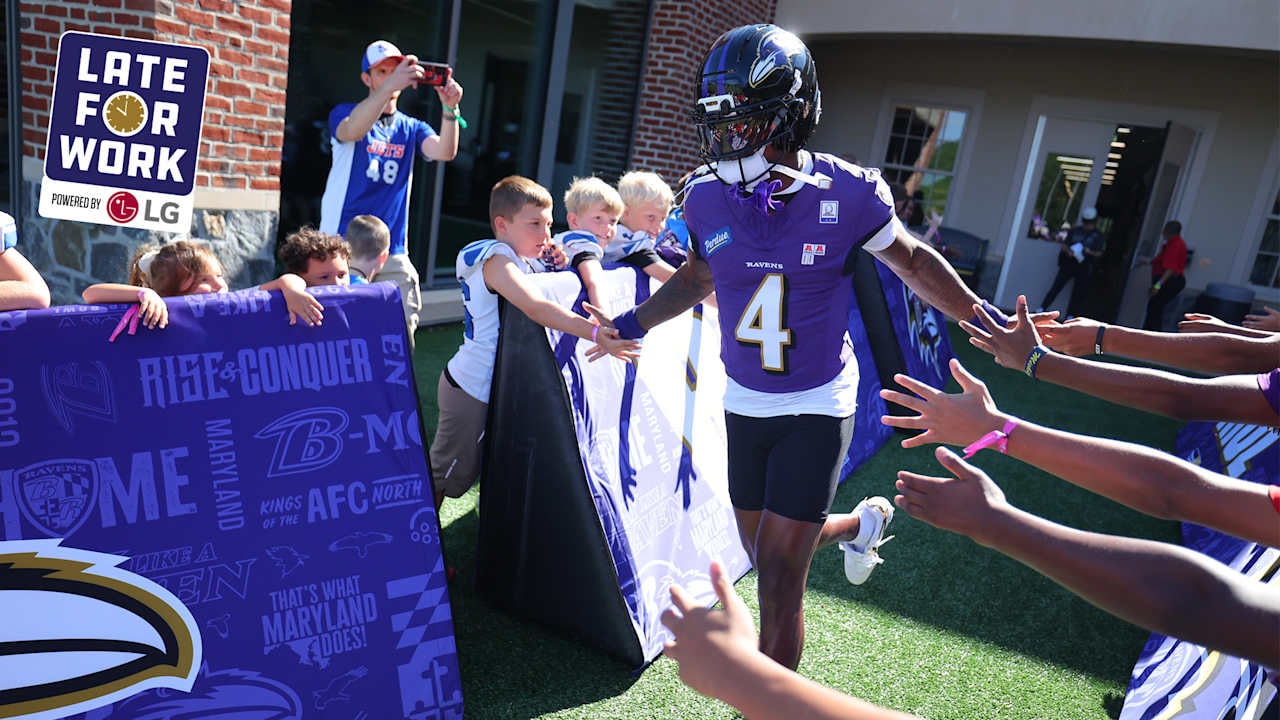
Baltimore’s offense has already made Zay Flowers a centerpiece, and the wider NFL pay landscape could determine how quickly the Ravens’ latest breakout becomes their next signature contract decision. In a Ravens “Late for Work” feature published July 31, the team framed Flowers’ next phase through the lens of production and market-setting deals, tying his trajectory to how receiver contracts elsewhere can influence what a club eventually offers its own rising star.
The foundation is straightforward. Flowers has followed back-to-back 1,000-yard seasons with a Pro Bowl nod, establishing him as one of the league’s top receivers. Baltimore’s interest in that profile is not only about targets or efficiency, but also about whether the team’s offensive identity can stay stable while the quarterback and play-calling ecosystem evolve from year to year.
Part of the argument in Baltimore’s write-up is that the NFL’s receiver market never waits. The feature points to Chris Olave’s new deal as a relevant benchmark for what Flowers’ next contract discussion could look like, underscoring a familiar dynamic in the modern cap era. When one prominent wideout resets the terms, it tends to ripple outward, affecting negotiations for players with similar usage, role value, and upside.
The Ravens also used the same column to widen the discussion beyond contracts, examining how league recognition can vary by player profile. Joe Burrow’s inclusion in the NFL Top 100, as referenced by the team, is presented as another illustration of how public evaluation does not always align with a player’s deeper résumé. That theme, in turn, is used to highlight differences in how Lamar Jackson is talked about around football, even though both players’ standings in the conversation remain shaped by expectations as much as results.
From a football perspective, that matters because Flowers’ role is not static. The Ravens can design for his route-running, his acceleration after the catch, and the matchup stress he creates, but they also have to plan for what happens when the rest of the receiver room, the offensive line, and the quarterback protections shift. A contract that arrives at the right time can stabilize decision-making for the front office, letting Baltimore manage cap allocations without forcing every week-by-week adjustment to become a long-term gamble.
Still, there is a key caveat: a discussion about “could” and “next” is not the same thing as an agreement in place. The Ravens’ piece emphasizes contract implications and league benchmarks rather than announcing any specific deal, and it does not provide a confirmation of what Baltimore will offer or when. For now, the most concrete takeaway is that Flowers’ recent résumé, combined with market movements around the league, has elevated the importance of his next contract window for the franchise.
What to watch next is not only whether the Ravens and Flowers reach a new understanding, but also how Baltimore chooses to feature him as the team moves through training camp and the preseason. If Flowers remains a high-leverage target in multiple offensive looks, it will reinforce the premise that his value is tied to more than one production stretch, and that the market-driven conversation is grounded in role security, not just headlines.
On the broader NFL stage, Baltimore’s “Late for Work” framing suggests a league that continues to reward productivity while also debating how it ranks different stars. That tension can be constructive when it drives clearer role expectations, and it can become problematic if recognition and contract valuation drift too far apart. For Flowers, the practical result is that every productive month adds to the pressure on the eventual contract number to reflect the player the Ravens believe they already have.
Why It Matters
- Receiver contracts have a ripple effect, and Flowers’ next deal could be shaped by how prominent wideouts are priced elsewhere.
- For Baltimore, locking in its most important offensive tools affects long-term cap planning and how safely the team can maintain its offensive identity.
- If Flowers continues to operate as a high-leverage option, it strengthens the case that his contract should reflect role impact rather than isolated production windows.
- League-wide debates about player valuation and recognition can influence how teams approach contract timing and leverage in negotiations.
Sources
Key Facts
- Zay Flowers has produced back-to-back 1,000-yard seasons for the Ravens, and he has received a Pro Bowl nod.
- Baltimore’s team feature connects Flowers’ next contract outlook to receiver-contract benchmarks around the league.
- The Ravens cite Chris Olave’s new deal as a relevant reference point for what Flowers’ next contract could involve.
- The Ravens also reference Joe Burrow’s inclusion on the NFL Top 100 in discussing how league evaluation can vary by player.
- The feature uses Lamar Jackson as another example in a broader comparison about recognition standards across the league.