
THE APEX TIMES
Zay Flowers turns skepticism into production, pushing the Ravens toward a true No. 1 receiver standard
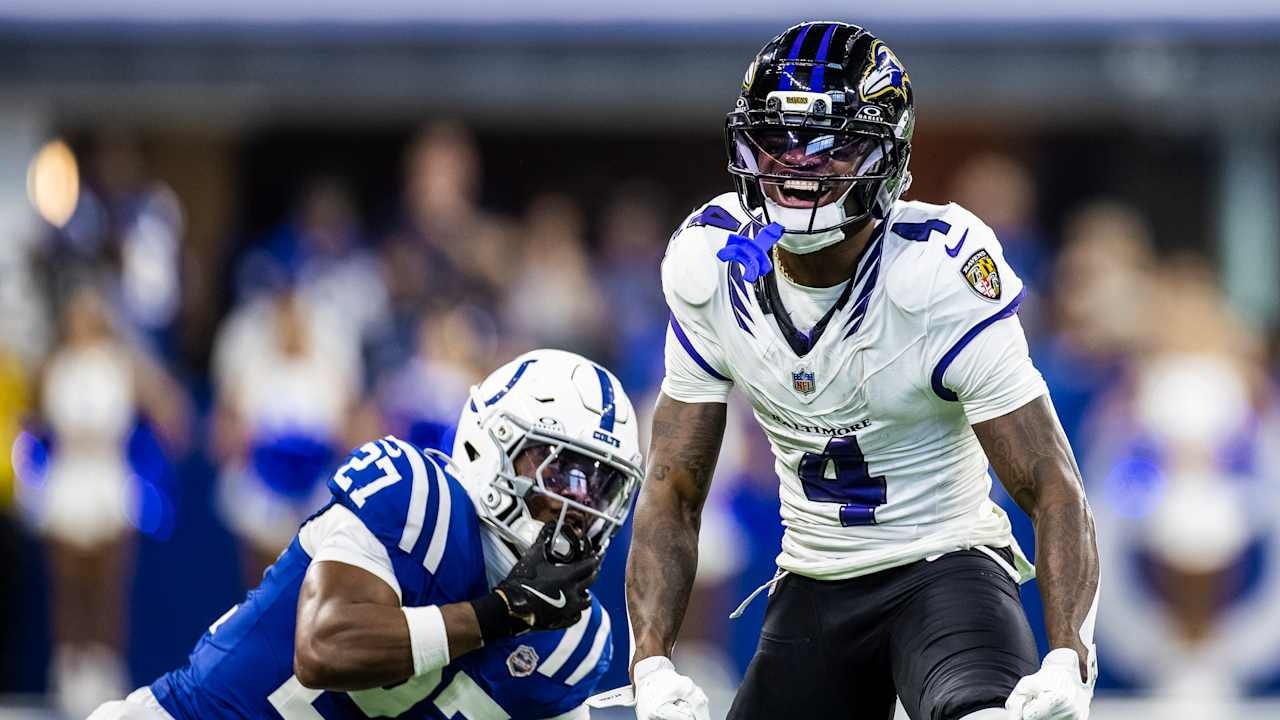
Baltimore’s Zay Flowers has moved beyond the doubts that surrounded his ceiling, and the team is now framing him as the kind of weekly separation threat a modern offense can build around.
The debate about Zay Flowers as an NFL wide receiver is fading, at least in Baltimore. In a feature published by the Ravens, the team argues that the questions that once lingered about whether Flowers could function as a true No. 1 receiver are no longer the conversation. The framing is specific, and it matters, because a real No. 1 changes how defenses play the entire offense, especially late in drives when coverage tends to tighten and safety help becomes more conditional.
Baltimore’s case is less about single moments and more about redefining what “No. 1” looks like in today’s NFL. The Ravens’ piece suggests that Flowers has established himself as one of the league’s top options through the way he fits into routes, releases, and target windows. That kind of reliability is the difference between a receiver who flashes and one who forces consistent coverage adjustments, the type of player a quarterback can trust in the middle of the field and in space.
The Ravens also connect Flowers’ role to a broader history of receiver evaluation. The team references the perspective of former players and receiver-centered thinking, including discussion from Steve Smith and Torrey Smith, as a way to contextualize what separates top-flight wide receivers from the rest of the position group. In that sense, the article is not just praising Flowers, it is placing him into a lineage of how elite receivers are identified, built, and developed.
From an offensive standpoint, the implications are straightforward. When a team has a receiver it can treat as a primary answer, play design becomes cleaner. Defenses cannot simply rotate coverage looks or lean into bracket rules with the confidence that the passing game will stall. Instead, they must decide whether to shade coverage away from Flowers, take on matchup risk elsewhere, or commit resources to limit his routes and timing.
For the Ravens, the “No. 1” label also speaks to how the offense can manage pressure. A receiver who can win repeatedly, rather than occasionally, affects how quarterbacks progress through reads. It can also affect run-pass balance, because defenses that feel they can ignore the perimeter tend to crowd the box sooner. With a player framed as a true alpha option, Baltimore’s spacing and leverage can become more sustainable across all phases of an attack.
There is still a practical question behind every “redefining” story in the NFL: can the standard hold over time, against different coverage styles, and in different game scripts? Flowers’ trajectory, as described by the Ravens, points in that direction. What to watch next is whether Baltimore continues to structure targets around him consistently and whether opponents adjust in a way that validates the No. 1 premise, even when game plans emphasize stopping the rest of the offense.
At the very least, the team’s message is clear. Baltimore is comfortable presenting Flowers as an essential piece of its receiving identity, not a developing alternative. If the Ravens’ framing matches what defenses experience week to week, Flowers’ position in the league will keep consolidating, and the conversation will continue to shift away from “could he be a No. 1?” to “how does everyone else stop him?”
Why It Matters
- If Flowers is treated like a true No. 1, Baltimore can design the passing game with fewer compromises, since defenses cannot easily avoid him.
- A No. 1 receiver forces coverage decisions that affect the entire offense, including spacing, run-pass balance, and late-drive efficiency.
- The evaluation shift also impacts how future roster and game-plan choices are made, since top targets reduce the need for heavy two-receiver dependency.
Key Facts
- The Baltimore Ravens published a feature arguing that the previous skepticism about Zay Flowers as a No. 1 wide receiver has diminished.
- The story frames Flowers as an established top-level target within Baltimore’s passing game rather than a player still waiting for his breakthrough.
- The article includes perspective from former Ravens receivers Steve Smith and Torrey Smith in evaluating what an elite No. 1 wide receiver should look like.
- The Ravens connect Flowers’ role to the larger idea that true No. 1 production changes how defenses must cover an offense.